
Bins, Boxes and Bargains
Truffle-snuffling in the dumpsters of capitalism

There are places in your city where they’ll basically just give you the keys if you show up with a truckload of stuff and a vague plan of action to eventually pay some rent. You’re picturing one right now: a strip plaza with landscaping gone feral that couldn’t keep a Dollar Tree open, an old Taco Bell turned chiropractor’s office turned used appliance store turned internet lotto pull-tab café. There’s old construction barrels and a broken-down pickup in the parking lot and a sign out front with the last business’s name turned backwards or painted over.
Thanks to the weird subterranean river of returned goods, discontinued crap, and liquidated scratch-and-dent deals our economy produces, people have been filling these places with the kind of merchandise once only seen baking in the unforgiving sun on folding tables at dusty roadside flea markets. It’s a treasure hunt, if by “treasure” you happened to be looking for a loose tire pressure gauge, a set of 2022 graduation party napkins, or a parka with a giant rip in one pocket.
This isn’t me reviewing our local entries in this burgeoning genre, largely because I want to make fun of them but I’m not about to disrespect anyone’s specific hustle. It would be rich of me to do that while sitting on a garage full of CDs even Goodwill didn’t want, full of my own crackpot theories about what to do with them for maximum fun and profit, theories that you’ve all been subjected to for as long as you’ve been reading these dispatches. I will describe the stores in general terms, and we will both excuse my hypocrisy and smugness, I hope.
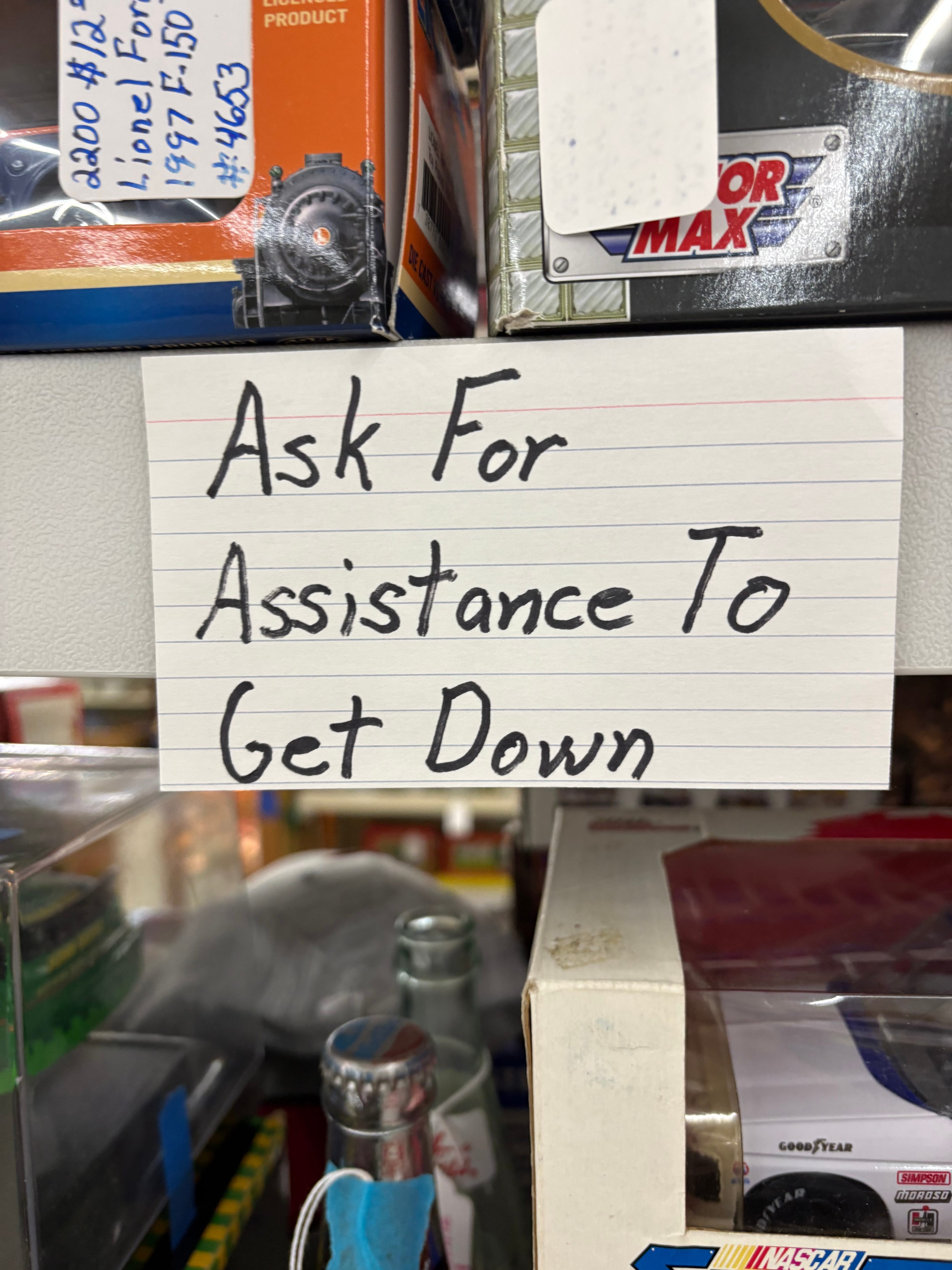
Some of these places are cleaner, but a bit more boring, focusing on cheap mass-produced goods bought in bulk from Asian warehouses. Knockoff tools, “collectible” NASCAR toys and sports memorabilia, cheap barbecue utensil sets and tacky wall hangings – this proprietor is basically running a dollar store mockup of a Target, with nothing you need badly enough to trust the flimsy versions this place is peddling for a surprisingly high percentage of name-brand retail.
This is the sort of store more likely to have Trump t-shirts, a display case of poor-quality pocketknives, inflatable yard decorations, and a hand-lettered SMILE YOUR ON CAMERA sign on the door.
The ones who deal more in closeout pallets and storage unit liquidations are a grubbier breed. You can identify them when you walk in by the ambient smell alone – laundry hamper, cut by cheap industrial-grade solvent and the lingering shut-up funk of the six months this unit spent unoccupied when Family Dollar evacuated. There’s probably still gondola shelving festooned with dirty faded stickers of the last occupant’s corporate logo, scooted around on the grimy broken tiles of the floor into new haphazard patterns.
There’s no pretense in the naming of these places. It’s Bob’s Bins, or Jones’s Bargains, or Mr. Hustlez. The inventory is in dirty-laundry stacks, a few abortive attempts at organizing evident in low-traffic areas full of unwanted three-ring binders or mismatched car parts. Hand-lettered signs explain contradictory and convoluted price structures. Boxes and bags are torn open and reclosed with duct tape.
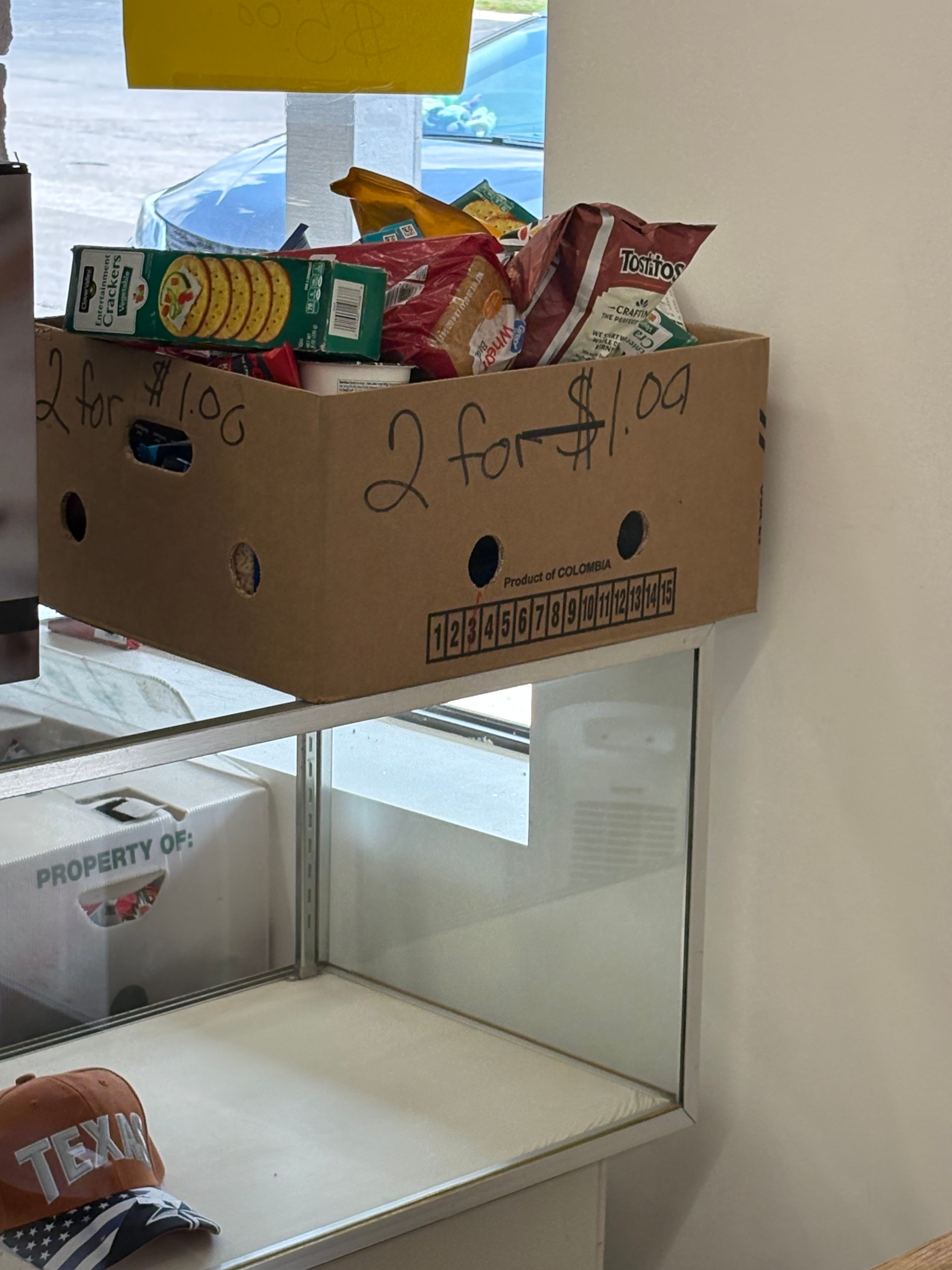
Sometimes there’s food! Expired bread, dented cans, unsealed candy bags, ramen long since harassed into dust. There’s no shame in living rough, but it seems more reckless to eat groceries from this place than to just admit where you are in life and go to the food pantry. Dining on anything from Biff’s Closeouts feels like proving a point in the same way that trying to take down a 96-ounce steak to win a free t-shirt does.
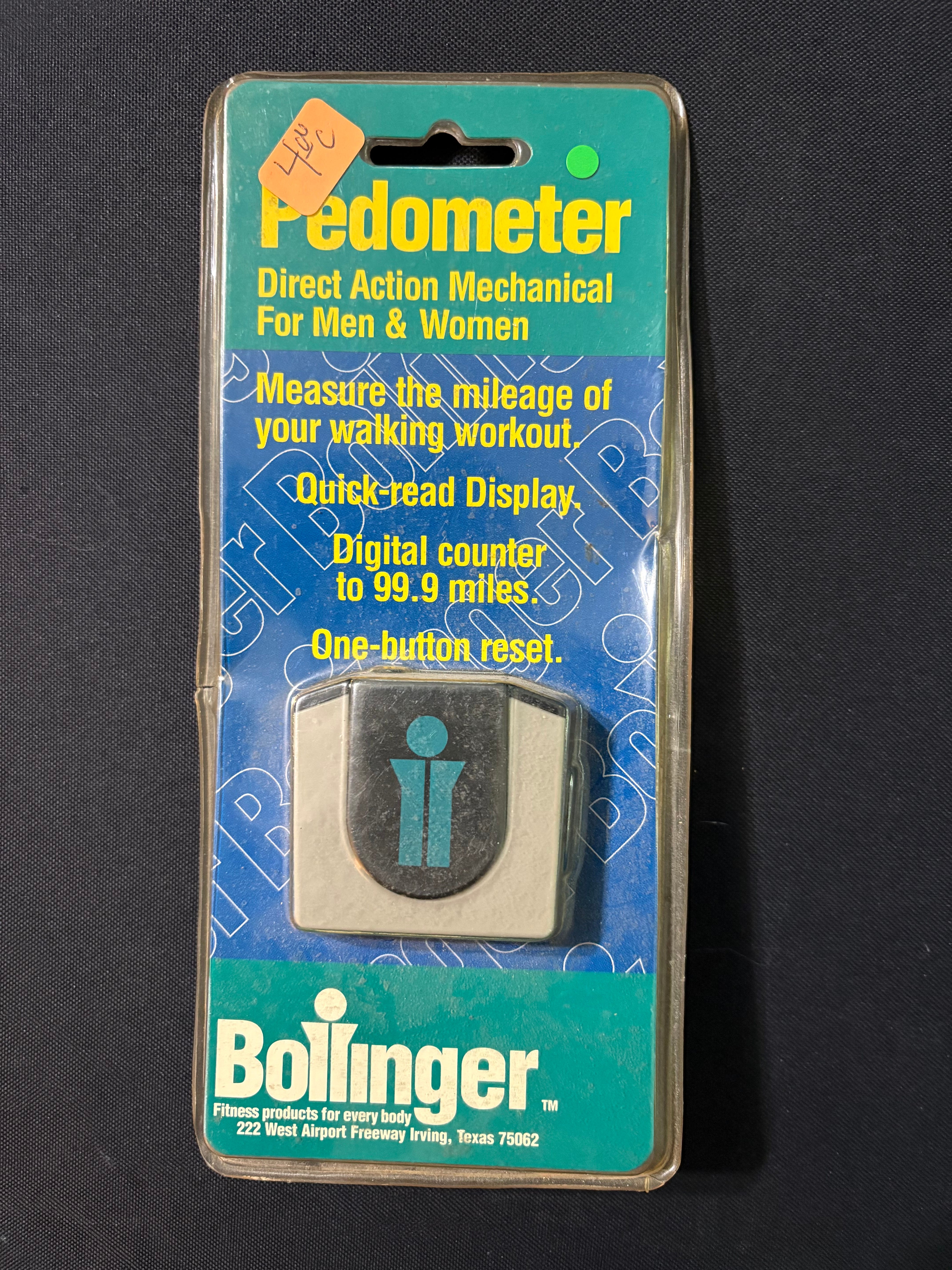
At some point, you feel compelled to buy something, a souvenir of your excursion and a peace offering to the surly vagrant at the front counter who’s been giving you the who do you think you are stinkeye since you walked in the door. You clutch a random piece of hard plastic packaging bleached by a dozen fluorescent suns and you wordlessly accept whatever price they charge you.
Escaping into the fresh air, you wonder if when the time comes, they’ll just wrap chains around the support pillars, attach them to trucks, and bring down this entire former Fisher Big Wheel or TG&Y or Little Professor Book Store or whatever it was in optimistic days, burying the rest of the merchandise-in-name-only in the mold-befouled rubble before they bulldoze the whole block to put in a Sheetz with forty gas pumps and a contactless taquito ordering station.