
For Promotional Use Only
Echoes of college radio days

When I failed out of college and moved back to my hometown in 1992, one of my only real regrets was losing access to WXUT, the campus radio station. While I made a hash of my time there just like I wrecked my academic career, my tenure set the scene for just about everything else I’ve done in my adult life.
I lobbied to get on the management board and was given the job of Traffic and Continuity Director, which involved printing out program logs for the studio and keeping track of the mind-numbing Ad Council public service announcements we played in lieu of commercials (I can still hear Bette Midler admonishing me to pick up litter and the non-musical crash test dummies extolling the virtues of buckling up). I set up an independent study project to create and host a daily morning show from 6-8am, walking from my apartment in the pre-dawn darkness to the Student Union building and often failing to find a custodian to let me in.
About two weeks into spring quarter my sophomore year, the whole thing unraveled. I quit going to the studio, stopped going to class, journaled like the boy who invented sadness, and trudged to and from my line cook job. I wasn’t even drinking yet, just spiraling in a soup of leftover teen angst and probably-undiagnosed issues.
But every Saturday I still made it back to the Student Union to host “The Thrash Can,” the 12-4am metal show I’d started. Named by a listener in a call-in contest, The Thrash Can became one of my only early success stories. My mentor at the station (and later one of my first serious girlfriends), “Doctor LX” (Alexandria on her driver’s license), called me “Killer Keith” on air in a spur-of-the-moment decision I never quite liked. I wound up answering to that name around town well into the 2000s. *
The phones would start lighting up by ten, hashers demanding to know why the metal hadn’t started yet, placing requests for Cannibal Corpse and Deicide songs to the consternation of the poor hapless regular-format DJ in the slot before me. Dudes outside the broadcast radius of our puny 100-watt tower would carpool to the edge of our listening area and sit in parking lots listening for all four hours. **
Killer Keith was merely the vessel – the music was the reason for the frenzy. MTV put maybe one or two truly heavy bands on at the very end of their “metal” show, and magazines were covering the new underground, but before broadband internet, if you wanted to hear four hours of commercially impossible music on the radio, the left end of the dial was where you had to go. Nobody else wanted to burn off every one of their Saturday nights sitting in an alcohol-free broadcast studio, so I was given free rein, especially when it became obvious my show had twenty times the listenership of anything else we were putting out.
I don’t know if the rest of the management board felt sorry for me, guessed I’d be leaving town soon anyway, or the show was just that successful, but even after I’d crashed and burned with everything else, I was still allowed to do The Thrash Can. Coming in on Saturday nights left little chance of embarrassing encounters with the people I’d let down. Terse, passive-aggressive notes could be left taped to the door for me by the station manager and I could respond in kind after I shut down the transmitter for the night, eyes watering from lack of sleep, psyching myself up for the walk home.
The show immersed me in underground metal and connected me to a world of record label representatives, got me into writing music reviews and interviewing bands, and awakened the hustling and archiving urges I still follow today. I treated the station’s vinyl and CD library like a vault of knowledge to be guarded and expanded with care, and I quickly learned which label reps would happily put in a request for a box of back catalog discs and which ones would tell me to pound salt and go buy my own records.
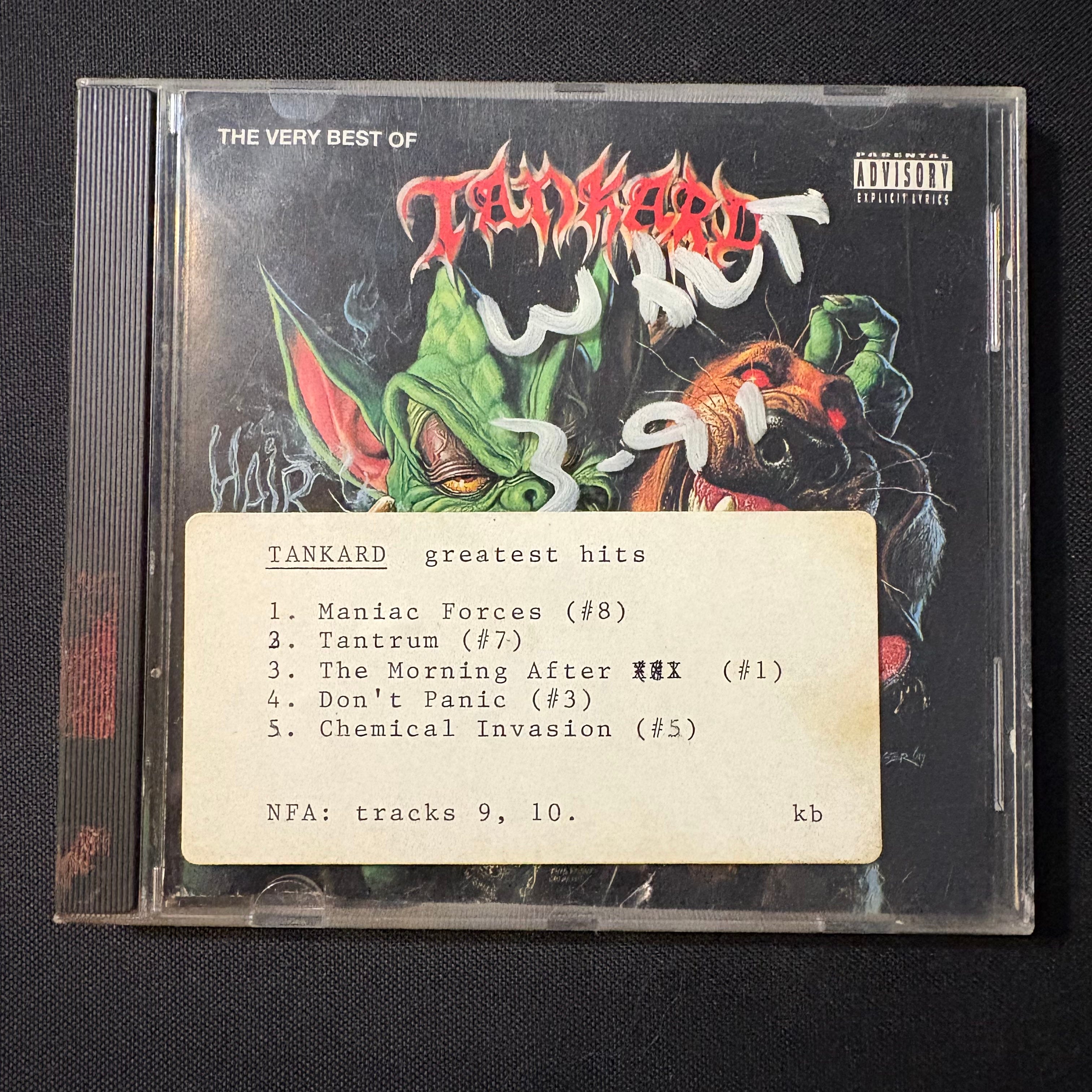
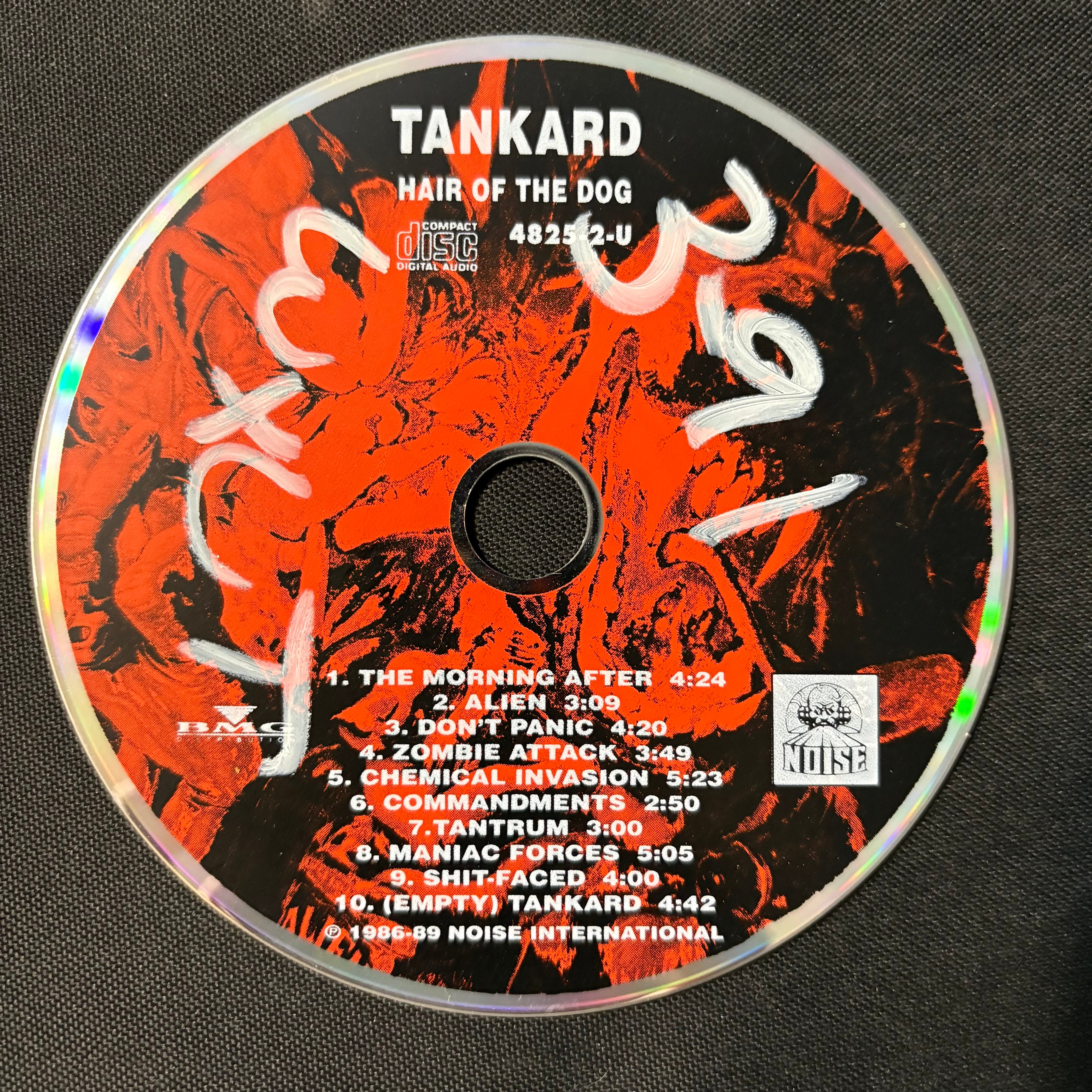
When I left, I took two CDs from the archives with me, a crime that filled me with guilt. I was reasonably sure I’d never find another copy of Tankard’s best-of collection, Hair of the Dog, and I knew nobody else would champion Reason, the murky and weird Anacrusis album that had rearranged my brain. I would glance around furtively when I pulled those CDs off my shelf at home, as if Elliott Ness or a squad of revenuers were waiting to kick down my door and return my plundered loot to its hallowed archive.
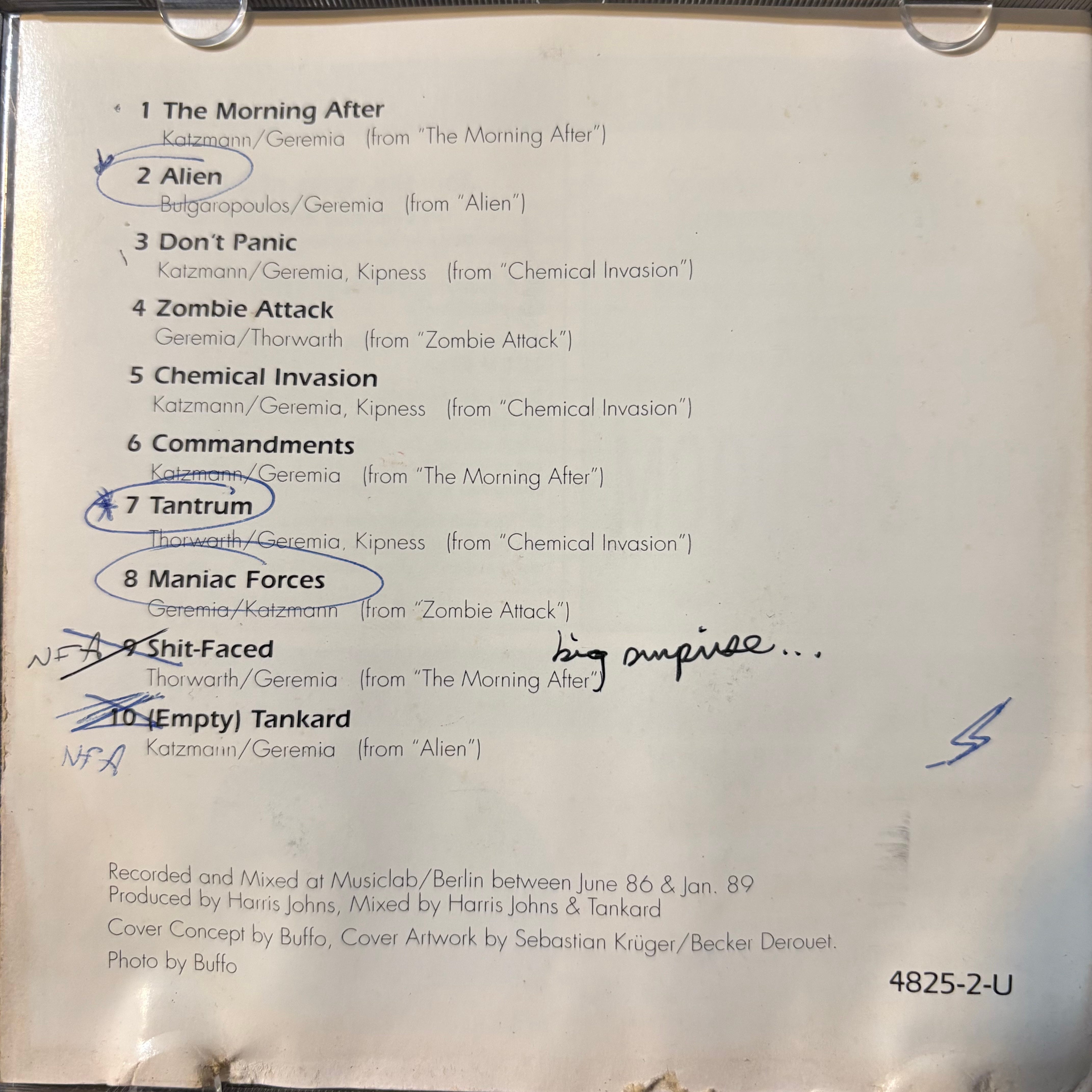
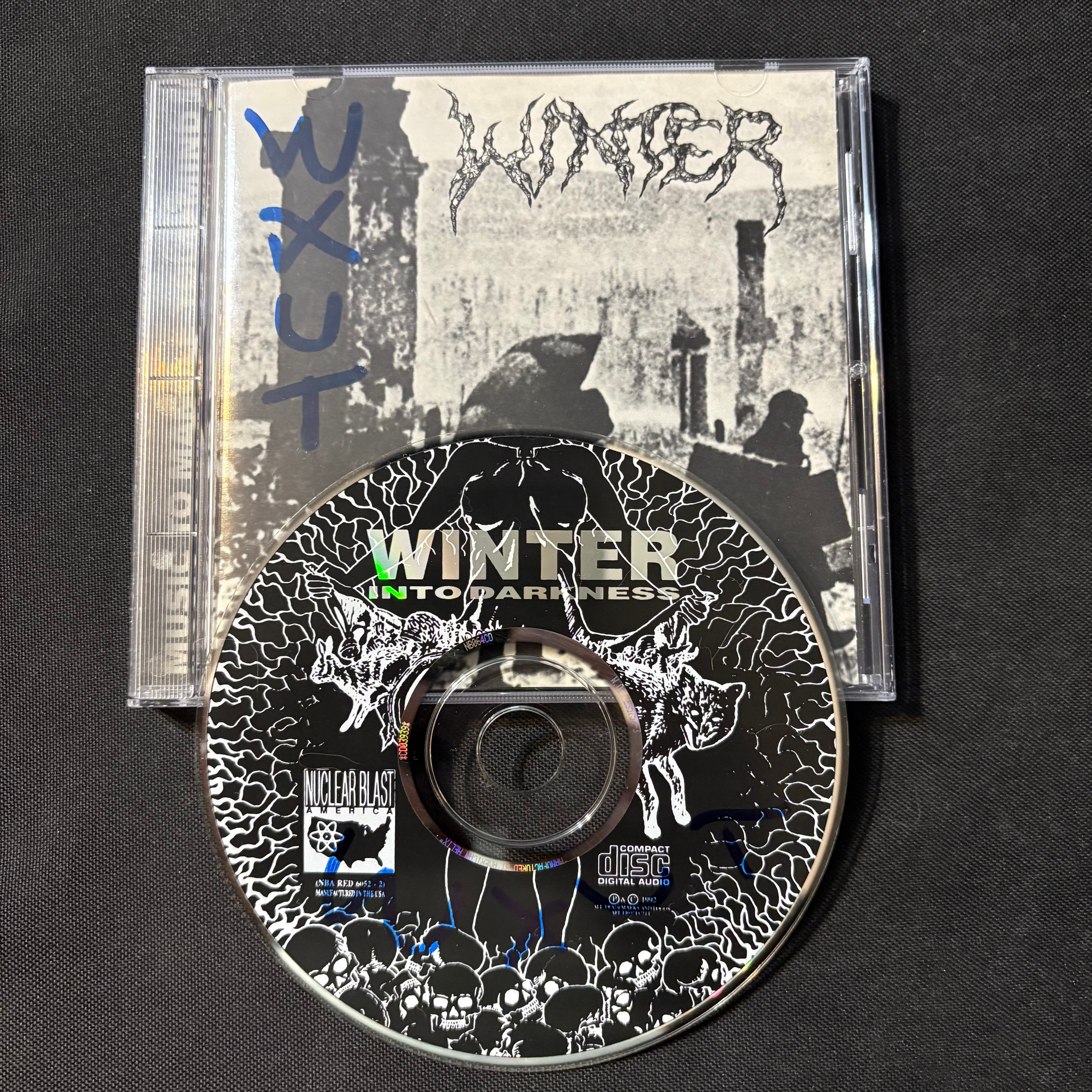
The guy I trained to replace me stayed for over a decade and stole all the metal CDs and vinyl when he left. I still occasionally find a CD in the local shops with WXUT written across the face and the case in greasepaint marker, or a typed label listing the suggested singles and NFA (not for airplay) cuts. My old bassist wound up with some of the stash, which then came back to me when he sold his collection.
The guy who plundered my Library of Alexandria (not that Alexandria) died a while back, and who knows where the rest of those records are now. They probably would have wound up in a dumpster anyway. So it goes.
Some people would never buy a CD or record with writing on the cover, or one sullied by a punched hole in the UPC code or a gold stamp insisting the record was lent for promotional use only, to be returned one day in some mythical record company Rapture that couldn’t have legally happened even back in the old days. I’m in the camp that loves this sort of provenance, though – a scribbled DJ note on a white sticker on the cover of a Quarterflash record is like a dinosaur footprint in petrified mud to me.
[Friend of the ‘Stack and music journalist Matt once sold me a pile of vinyl from the library of WMMS, the legendary Cleveland rock station. Some of the records had the entire front cover obscured by a giant white sticker with airplay dates for various singles and snarky comments from the on-air talent scribbled in various colors of ink. When the right sort of person finds one of those LPs in my show boxes, their eyes light up like it’s Christmas morning.]
When I flip through a used bin in 2026 and come across 20-year-old me’s handwriting on the front of a CD case, it’s like sitting on the tiny swings at your elementary school playground, or looking at pictures of your teenage parents holding a bologna loaf that was once allegedly you.
No… it’s more like being an archaeologist, stumbling across a neat cave painting, and then seeing your own signature at the bottom.
Who the hell was that guy? And where did he get that stupid nickname?
* There was a good-natured and unserious rivalry for a while between me and Kevin “Killer” Kekes, bassist for Toledo metal heroes Damien, who built the shelves I’ve gone on about at my new warehouse and who still leads the band today as they prepare to release a new album and tour Europe. I am more than happy to cede the title to the real and original Killer.
** Alex was more into the hard rock side of things; the rise of thrash and death metal threw her for a loop. One night I was coming in to run the last half of her show, near the end of my training period, and she handed me the request clipboard with a puzzled frown. “Guy said you played a song last week called ‘Slowly We Rock,’ and I don’t know who does it.”
After a second, it hit me. “Oh, that’s Obituary. The song’s actually called ‘Slowly We Rot.’”
I had my own show a couple weeks later.